Jess Austin

horse grazing in paddock

Laminitis

Laminitis

Laminitis is a painful inflammatory condition of the tissues (laminae) that bond the hoof wall to the pedal bone in the horses hoof. It can affect any horse, of any age or sex, at any time of the year. Laminitis is caused by weakening of the supporting lamina within the hoof, leading to painful tearing of the support structure suspending the pedal bone within the hoof.

Acknowledgments: Illustrations and format- JamesOrsini, Dvm ACVS. Equine Laminitis in McGraw-Hill yearbook of science and technology. 2008, 114-118.

The level of pain a horse demonstrates does not necessarily indicate either laminitis or founder. Some horses show tremendous pain while they are laminitic, and others show very little.There are many, many different causes of laminitis and it is a common misconception that laminitis is caused by over-eating grass only. We occasionally see laminitis in horses on box rest, or on very limited turnout. There are often a number of factors surrounding the onset and exacerbation of an episode of laminitis.

The type of grazing can be important. Nowadays, many ponies are liveried on land once used for cattle. This type of grazing may have been heavily fertilised and re-sown with particular species of grass which are not ideally suited to horses and ponies. Poor grass which is stressed by such things as an overnight frost or overgrazing will result in the formation of a type of sugar known as fructan in the grass, it is this type of sugar that can directly cause laminitis.
Occasionally, laminitis can develop in one limb where the opposite limb is painful for another reason. This is particularly a problem in heavy horses if they are affected by a foot abscess; the foot abscess causes the opposing limb to take more weight that it is accustomed to, resulting in laminitis.

Equine Cushing’s Disease, also known as PPID, is a very common disease in equine animals from their mid-teens onwards, although it can be seen in animals as young as eight years old. The laminitis which develops secondary to PPID is very difficult to control unless the underlying disease is also treated. Owners with older horses and ponies should be extra careful about their animal’s weight and liaise with us, to discuss blood testing for PPID, and develop a suitable nutritional strategy.

Equine metabolic syndrome (EMS), is another disease of overweight ponies and horses that leads to insulin resistance, and therefore an increased risk of laminitis. In cases of laminitis, we will often blood test for signs of EMS as well as Cushings disease.

Delays between foot trimming or shoeing are an important cause of stress and damage to the laminae. Regular visits by the farrier will also pick up the early warning signs of laminitis.

Laminitis usually affects both front feet but can occasionally affect one foot and occasionally hind feet. In most instances the affected animal will shift its weight from one limb to another, will be reluctant to move, may lie down and there is sometimes heat in the hooves with an increased ‘digital pulse’. A digital pulse can be difficult to find, but please ask one of our vets to show you how to find them next time we are with your horse. In milder cases, there may be only a slight change in the animal’s gait, moving in a ‘pottering’ fashion. These animals will go on to deteriorate further, unless they are rested and treated correctly.

It is absolutely essential that you contact your vet should your horse or pony show signs of laminitis. The treatment of this disease is time consuming and can be difficult, with a poor outcome in some cases.

There are a variety of medicines which can be used to help settle the pain, and reduce the ongoing damage. Box rest is extremely essential. The box should be well bedded down, over the entire surface area of the stable. At Shotter and Byers we aim to make as rapid a diagnosis as possible, and get your pony or horse in frog support pads as soon as possible, to reduce the pain and the damage being caused by the laminitis. Over time, It is absolutely crucial that the affected animal loses weight in a controlled fashion and we strive to work closely with our clients, to make this as easy as possible.

Horses or ponies with laminitis should not be forced to walk or be exercised. Affected animals must not have their feet placed in cold baths, streams or ice unless under veterinary direction. Do not starve overweight horses in an attempt at inducing rapid weight loss.

Clearly prevention is preferable to treating the disease, and the key to the prevention of laminitis is weight control. Being overweight is the most important known risk factor for the development of laminitis. Just being fat will not in itself cause the disease, but it puts the animal at such a high risk of succumbing to laminitis that any additional stress (such as transport or inclement weather) could cause the full blown disease. If you are concerned about your animal’s weight, then please speak to us.
Laminitis Read More »

horse head

Equine PPID – Cushing’s Disease

Equine Cushing’s disease most commonly occurs in horses aged 19years or older but can occur in horses of a much younger age.

Clinical signs of the disease include:

• Polyuria (increased urination)
• Polydipsia (increased drinking• Polyphagia (increased appetite)
• Weight loss
• Muscle wastage
• Hirutism (thick, curly coat with delayed shedding)
• Laminitis
• Supraorbital (above the eyes) fat pads
• Lethargy and depression
• Hyperhidrosis (increased sweating)

There is no significant breed or gender predilection, but studies have shown that ponies are more commonly affected than horses.

Diagnosis

Diagnosis is usually made by the presence of one or more of the above clinical signs, signalment (age, type etc) and diagnostic tests. The tests that are most commonly used are:
• Basal ACTH level testing – this is best carried out during the months of August – October as there is a seasonal rise in the levels of ACTH at this time which gives us an increased diagnostic rate. It involves a simple blood test.

• The overnight dexamethasone suppression test (ODST) – this is not very popular anymore due to the more involved nature of the test and also because of the risks associated with dexamethasone administration in horses with a suspected elevated level of steroid already in their system.
• Thyrotropin-releasing hormone (TRH) stimulation test – this involves injecting TRH into the horse and then collecting a blood sample 2-10 minutes after administration. However, TRH is not licensed in horses and some adverse reactions have been seen. These are usually short lived and not severe.

Treatment

Treatment is aimed at reducing the clinical signs of Cushings rather than curing the disease. It is also about improving the quality of life of your horse, with this in mind treatment consists of:
• Clipping excess hair to reduce sweating
• Treating secondary infections
• Increasing weight with diet management
• Treating any laminitis that may occur.

Medical management consists of using a dopamine agonist (pergolide) which comes in the commercially available form of Prascend. This is started at an initial dose of 2g/kg/day. Bloods tests measuring ACTH levels should then be assessed with a repeat blood sample 30days after the initial blood test confirming Cushings. This way doses can be adjusted as required. After this 6monthly repeat blood tests are recommended, these are best carried out in autumn and spring as this is when naturally occurring peaks in ACTH will occur

Prognosis
Generally the prognosis with Cushings is good; however, this is a lifelong condition that requires lifelong treatment and management.

Equine PPID – Cushing’s Disease Read More »

horse in stable

Recurrent Airway Obstruction (RAO)

Recurrent airway obstruction (RAO) is a common condition in many different types of horses. It is a performance limiting problem commonly caused by an allergic respiratory response. Signs include:
– chronic cough
– nasal discharge
– increased respiratory rate (tachypnoea) and effort (dyspnoea)

Episodes of RAO are usually caused by exposure of susceptible animals to common allergens. The most common culprits are organic dusts mwhen horses are stabled, bedded on straw, and fed hay (in particular round bales). Removal of these causal agents will usually result in remission of any signs. It most commonly starts at around 9 years of age, although 12% of mature horses have some degree of allergen induced lower airway inflammation. There is no breed or gender predilection, but there does seem to be a heritable component to susceptibility.

Clinical Signs

Signs of RAO include flared nostrils, increased respiratory rate (tachypnoea), cough and if the problem has been going on for long enough then the horse can have a heave line. Breathing usually includes a prolonged, laboured expiratory phase. Usually a cough is heard when the horse is exercised or being fed. Mildly affected horses may present with minimal signs at rest but coughing and exercise intolerance are noted during increased performance.

Some horses can demonstrate signs during summer, which, usually indicates sensitivity to pollens and certain moulds and this is called summer pasture-associated obstructive pulmonary disease. Management of this is similar to RAO except with the addition of pasture avoidance.

Diagnosis

Most commonly diagnosis is made on clinical exam and history alone, routine blood samples are commonly unhelpful in this scenario, x-rays of the chest are also not commonly not beneficial. Bronchoalveolar lavage (BAL) is usually not required in horses with obvious clinical signs and can be contra-indicated in horses with breathing difficulties at rest.

Treatment

The most important aspect of treating RAO is to limit exposure to the causal agents. Medical treatment will stop the signs and symptoms but these will return as soon as it is stopped if management chenges haven’t been put in place. Medical treatment consists of a combination of drugs to open up the airways (bronchodilators) and steroids to reduce inflammation.

Recurrent Airway Obstruction (RAO) Read More »

Brown horse

Top Ten Equine ‘Strangles’ Guidelines

1. If you think your horse may have Strangles and need advice?

Call the practice on 01306 627 706. We will be able to offer some guidance and arrange for one of our vets to make a visit.

2. What causes ‘Strangles’?

Strangles is a highly contagious infectious disease of the upper respiratory tract. Strangles is caused by a bacterium called Streptococcus equi (S.equi) and affects horses, ponies and donkeys.

3. What are the main clinical signs?

• Depression and dullness
• Loss of appetite
• Nasal discharge
• Development of a cough
• High temperature
• Swelling of the lymph nodes (glands) under the jaw or on the head or neck which can lead to abscess formation at a later stage

The abscesses which cause the lymph nodes to swell may burst discharging highly infectious, creamy-yellow pus. In some cases the glands swell so much they restrict the airway, hence the name strangles.

4. What is the incubation period / when will I first see symptoms?

The incubation period of strangles is on average 7 to 14 days. However, because infected horses can shed the bacterium for long periods after symptoms have stopped showing, the interval of time between new cases in an outbreak can be up to 3 weeks or more.

5. How is it transmitted / passed between horses?

Strangles can be spread easily by direct contact between horses or indirectly by handlers, equipment or contamination of the environment. This can lead to large outbreaks with many horses becoming infected if strict biosecurity measures are not put in place and adhered to. For example, the infection can be spread:

• by direct contact such as nose to nose contact between horses
• via equipment shared with infected horses, such as:
• water troughs where the bacterium can survive for long periods
• feed buckets
• grooming equipment
• tack / clothing

6. How long can items such as grooming kits and buckets harbor the disease for?

On water buckets in particular, the bacteria can live for long periods, and up to approximately one month. However, using proper anti-bacterial cleaners such as Virkon will kill the bacteria quickly.

7. What can you use to clean your items to kill the Strangles?

Most anti-bacterial cleaners will be effective at killing Strangles. We have had success with Virkon which can be found here:

http://www.hyperdrug.co.uk/Stable-Disinfectants-Odour-Control/products/49/#/?_=1&filter.brand=Virkon&page=1

8. How is it diagnosed?

There are three main methods of diagnosis:

a) Swabbing is where three consecutive swabs are taken at weekly intervals and sent for testing in a lab.

b) Testing via endoscopy has been said to be the most reliable method. A sample is taken directly from the guttural pouch in the throat and sent for testing. This can also determine whether a horse is a carrier or not.

c) Blood tests identify if a horse has antibodies to the Strangles bacteria in their bloodstream. Antibodies are produced approximately two weeks following exposure to the bacteria and last up to six months.

Horses that have been exposed to the bacteria in the last six months will test positive.

9. What is the treatment and is there anything else I should be concerned about?

Treatment is a largely debated subject. Some say the bacteria should be left to run its course on its own without treatment, some say it should be treated aggressively with penicillin. This will be a joint decision with you as an owner and your vet.

There is a second form of Strangles called ‘purpura haemorrhagica’ which is associated with a previous bout of strangles. The head, legs and underbelly of the horse are most often affected and it also causes bleeding into the skin, gums (seen as areas of red spotting) and organs such as the lungs. It can prove fatal within a very short period of time and therefore an exceptionally quick diagnosis is very important.

A third form of Strangles also exists known as Bastard Strangles which can be a complication from the initial infection. It can be seen in the abdominal or lung lymph nodes which may develop abscesses and rupture, sometimes weeks or longer after the first infection seems to have resolved. In severe cases abscesses may rupture in the brain causing sudden death or abscess may burst in the throat and the pus will be inhaled into the lung.

10. How long will it take to recover?

On average the standard form of Strangles can take ten to fourteen days to run its course without drug intervention, this depends on the severity of the case and the general health of the horse at the time of infection. It should however be kept in mind that the bacteria may continue to shed after symptoms have left and therefore testing on more than one occasion after symptoms have gone is recommended.

Other queries?

Please call the practice and we would be happy to help.

Please also review the HBLB Strangles guidelines in the Codes of Practice (http://codes.hblb.org.uk) and Strategy To Eradicate and Prevent Strangles (STEPS at http://www.strangles.org/).

This guide is for information purposes only, if you suspect your horse may have strangles please call the practice and arrange a visit from a vet. The opinions presented in the Guidelines are subject to change and should not be considered to be a treatment recommendation for any individual patient. We cannot attest to the accuracy, completeness or currency of the opinions contained herein and does not accept any responsibility or liability for any loss or damage caused to any patient or any third party as a result of any reliance being placed on these Guidelines or as a result of any inaccurate or misleading opinion contained in the Guidelines.

Top Ten Equine ‘Strangles’ Guidelines Read More »

Lab work blood sample

Equine Metabolic Syndrome – Feeding

What should I feed my horse with Equine Metabolic Syndrome

The goals of treatment are:

  • Induce weight loss in obese horses
  • Improve insulin sensitivity through weight loss, diet and exercise
  • Avoid dietary triggers for laminitis

Help your horse lose weight

Main methods of weight loss are:

  1. Calorie control/ reduction
  2. Reduce dietary glucose
  3. Increase exercise if possible

A weight loss of 500-700g a day and a loss of 1-2 Body Condition Score points over 12 weeks can be expected with a reasonable weight loss program.

Firstly, eliminate or greatly reduce pasture access. Turning out horses during early morning, on cloudy days, shady paddocks or using a grazing muzzle can help reduce their carbohydrate intake.  However, access to pasture is risky for metabolic horses so it may be safer to remove all grazing while on a weight loss program.

Without any access to grazing, metabolic horses should be fed no less than 1.2% of their bodyweight of a moderate quality grass hay divided into multiple meals.

Soaking grass hay for 30 minutes in hot water or 60 minutes in cold water can reduce the soluble carbohydrate levels further. However it should be noted that this can also remove other nutrients from the hay which should be replaced with a supplement or small amount of low starch hard feed.

Even without soaking their hay, a mineral supplement or low starch ration balancer may still be of benefit while on a reduced feed ration to ensure all your horses’ nutritional requirements are met. Our Multi Vitamin Supplement was designed with this scenario in mind.

You should monitor their weight loss closely using Body Condition Scoring (BCS) and a weigh tape so you can adjust the diet accordingly. (See BCS post)

For metabolic horses you should aim for a final BCS between 4-5, with the more chronically laminitic horses being maintained closer to 4. Some ponies may never reach a 5 or less making 6 acceptable.

Once this target is reached the forage portion of their diet can increased to 1.5-2 percent of their bodyweight to maintain their weight and prevent any gains or further loses.

Once a metabolic horse has been stabilised they may tolerate some grazing, providing they are monitored closely for signs of EMS.

Gaining Weight

If your metabolic horse needs to gain weight, the extra calories should come from an increase in dietary fibre and fat. This can be done by increasing their hay ration or adding in a low starch hard feed.  The addition of oil (such as canola/corn oil) can be a great way to increase the calories from fat within your horses’ diet, starting with a quarter cup and slowly increasing it to around one cup a day.

If you have any questions regarding your horse and metabolic disease or any other topics please call us today.


Equine Metabolic Syndrome – Feeding Read More »

horse racing

Tying Up in Horses

Tie Up

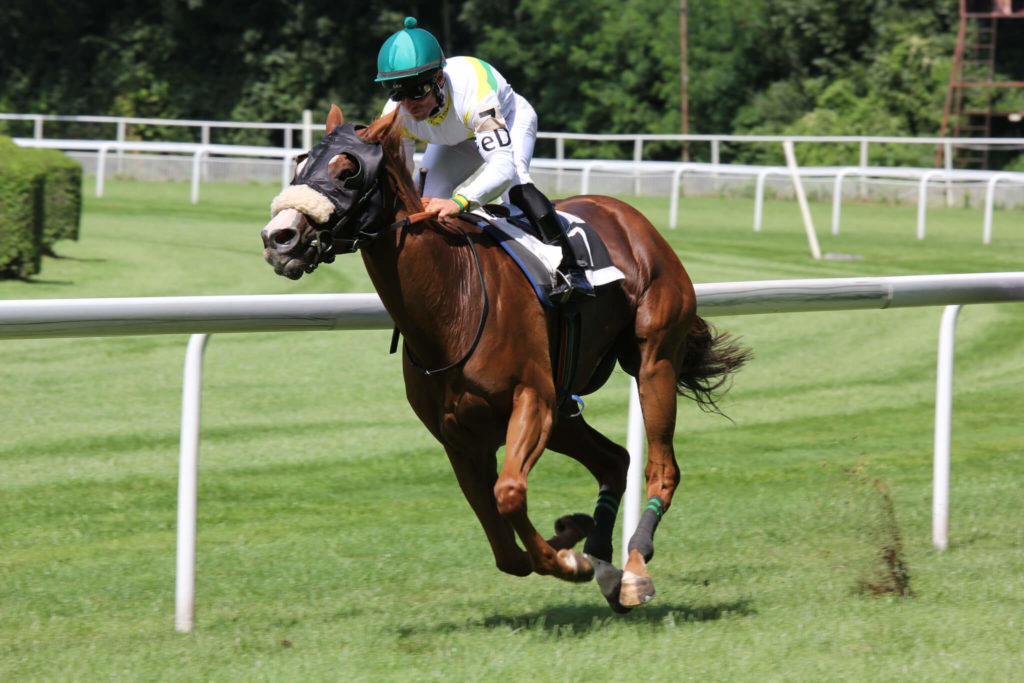
Tie up is one of the alternative terms for a condition called exertional rhabdomyolyisis (ER). There are a number of possible causes but the most common of these is over exertion.  This causes damage to muscles, particularly in the hindlimbs and hind quarters, leading to the clinical signs of the condition.

Signs

The classic signs of ER are extreme stiffness and reluctance to move. Other signs that may be seen are sweating, hard, painful muscles over the hind quarters, increased respiration rate and dark/red urine.

Diagnosis

A diagnosis of ER may be possible based on history and clinical signs alone. However, in many cases your vet will take a blood sample to check for any elevation in the muscle enzymes, creatine kinase (CK) and aspartate aminotransferase (AST), to confirm their diagnosis. These enzymes are released by damaged muscle and the extent of their increase reflects the severity of the damage.

Follow up bloods may be taken to monitor your horse’s recovery.

It may be necessary to conduct further blood tests and take urine samples to check the health of your horse’s kidneys. This is important because the characteristic red urine that ER can cause is due to myoglobin being released from the damaged muscle cells. Myoglobin is toxic to kidneys and their function must be monitored for any sign of damage to ensure your horse receives the required treatment.

Shotter & Byers has a blood machine that allows us to conduct these tests in house to ensure we rapidly have the information we need allowing us to provide your horse with the very best care.

Treatment

Treatment of ER is dependent on the fundamental cause. Although it usually involves box rest to allow the damaged muscle to recover.

Anti-inflammatories may be given to decrease inflammation and provide pain relief. It may also be warranted to give more stronger pain relief, sedation and anti-anxiety drugs to calm your horse and aid muscle relaxation.

The risk ER poses to the kidneys makes it is extremely important that your horse is well hydrated. Depending on the severity of the ER and level of dehydration this can involve passing a nasogastric tube to give water or the administration of intravenous fluids.

How to Avoid?

ER can be avoided by ensuring your horse stays fit and that they are well warmed up before strenuous exercise.  An hour of exercise a day is better than 5 hours in one day! In some cases, the risk of ER can be lowered by decreasing the amount of concentrate feed. Good quality forage is the most important part of your horse’s diet. If your horse requires extra calories, these can come from the addition of oil to the feed without predisposing for ER.

Tying Up in Horses Read More »

horse head

Ringworm

Ringworm

Ringworm is one of the top 10 most common skin diseases in the horse and is more common in young horses.  It is a superficial fungal infection effecting the epidermal layer of the skin.

It is highly contagious and caused by both Microsporum and Trichophyton species of fungi, some of these are specific to horses whereas others can be passed to other animals and humans.

The spore stage of the fungi is very resistant and can survive in the environment for months to years if the conditions are favourable

Signs

  • Small areas of tufted hair similar to urticaria (hives) initially
  • Circular areas of hair loss usually 1-10cm in diameter
  • Moderate reddening of the skin may be visible in white horses
  • Broken hair shafts around lesions with thick crusting
  • Minimal itching
  • Lesions may spontaneously heal and begin to grow hair from the centre outwards.
  • The mane and tail are usually spared

Diagnosis

Diagnosis is made by a fungal culture of hairs sampled from the edges of the lesions.  Fungal culture is hard to perform as there is a high chance of contamination interrupting the culturing process.

Treatment

Ringworm is a self limiting disease meaning it will eventually resolve itself without treatment. However, the contagious nature of the disease often requires it to be treated to prevent its spread.

The best treatment is usually a full body topical application of a veterinary antifungal lotion or solution (such as enilconazole or 2% lime sulfur) two times a week for at least 3-4 weeks.  Oral antifungal medicine (such as Grisofulvin) is not as effective at treating Ringworm but may be used in addition to a topical treatment.

Management

If you have a confirmed or suspected case of Ringworm it is important to prevent transmission of the disease to other people or animals. A licensed antifungal disinfectant should be used to decontaminate the horses stall and any contaminated grooming or yard equipment.  Diluted bleach water can be used as an alternative disinfectant for equipment if a licensed product is not immediately available.

If you are worried your horse has contracted ringworm, or have questions, please call us to discuss on 01306 627 706.


Ringworm Read More »

horses in paddock

Pinworms

Pinworms

Pinworms are a common topic for questions from our clients.  They are not harmful to your horse but their lifecycle can cause significant irritation.

Pinworms, Oxyuris equi, are small roundworms that live in your horses large intestine.  The females migrate from here to the anus where they lay their eggs on the skin surrounding it. It is these sticky eggs that irritate your horse and can cause them to rub and itch around the base of their tail and anus.  These eggs can hatch and be infective within a few days or drop off and remain dormant for months in the environment.

How do I know if my horse has pinworms

Unlike many other worms, pinworms cannot be detected using a faecal egg count.

  • Your horse may be itchy around their tail base and anus
  • Eggs are sometimes visible around the anus as a yellow, sticky mass.
  • Your vet can perform and adhesive tape test and identify the pinworm eggs with a microscope.

How do I treat for pinworms?

Pinworms are sensitive to the same drugs that you would use in a regular worming program. Ivermectin, moxidectin, fenbendazole and pyrantel are all usually effective.  If you are treating for pinworm you should also wash your horses perineal region (anus and area under their tail) regularly to remove any existing eggs.


Pinworms Read More »

Penetrating wounds of the horse’s hoof

Mud Fever

Mud Fever

It’s that time of year where mud fever is a problem many horse owners will be faced with.  Mud fever or pastern dermatitis is a common bacterial infection usually seen on the heel bulbs and back of the pastern.  There is usually a dominant bacteria such as Dermatophilus congolensis but the condition is frequently a complex mix of different bacterial and fungal species.

What does mud fever look like?

  • Matted hair with crusting and scabs
  • Small, ulcerated, moist lesions
  • Thick, creamy, yellow/white/green discharge
  • Deep cracks in the skin
  • Hair loss (alopecia)
  • Heat, pain, swelling with possible associated lameness

What can cause mud fever?

  • Soil type – some soils can predispose horses to mud fever so outbreaks on yards can be common
  • Prolonged damp – either in the field or from deep, dirty, wet bedding.
  • Feathering – heavy feathering can predispose horses to infestation with Chorioptes mites (feather mites) which can increase the risk of mud fever.
  • Trauma to the skin can provide an entry point for the bacteria
  • White limbs have been suggested to be more susceptible to mud fever

How do you treat mud fever?

  1. Clip the affected area – remove the hair so the skin can dry out. Removing feathers also allows you to better access the skin to treat and inspect it.
  2. Wash with an antimicrobial and antibacterial shampoo or scrub, such as Malaseb or dilute hibiscrub then rinse and dry thoroughly. Continue once daily for 1 week.
  3. Gentle removal of softened scabs can help to decontaminate the area. Do not remove dry or well adhered scabs as this can leave an open wound in the skin and predispose to further infection.
  4. Apply an antibacterial cream such as Flamazine to the affected area twice daily. Our own antibiotic Mud Fever solution is very effective at treating even the worst of mud fever.

When should I call my vet?

  • If your horse becomes lame
  • The condition continues to get worse or does not show any sign of improvement
  • There is swelling of the area or leg
  • You have any other worries

 Please don’t hesitate to call us today if you have any concerns or questions regarding the health of your horse

Mud Fever Read More »

child horse and carriage

Gastric Ulcers

Gastric Ulcers

Equine Gastric Ulcer Syndrome (EGUS) is an incredibly common disease of horses, particularly for those in training.  There are two main classifications, squamous ulcers caused by excess acid exposure and glandular ulcers which are less well understood.

Risk factors for EGUS

  • Transportation
  • Stress
  • Intermittent feeding
  • Racing/ competition
  • Intense training
  • Large amounts of concentrate feed
  • Illness
  • Stable confinement

Symptoms of gastric ulcers

There a large number of possible symptoms of gastric ulcers, these are a few of the more common ones:

  • Poor coat
  • Colic- particularly immediately after eating
  • Poor body condition
  • Poor appetite
  • Poor performance
  • Change in behaviour
  • Girthing pain
  • Chronic diarrhoea

Diagnosis

The most accurate and useful method of diagnosis is gastroscopy. Gastroscopy provides a visual assessment of the ulcers, allowing a suitable treatment plan to be designed and for progress to be monitored.

We have a portable gastroscope that we can bring to your horse, saving the stress of transporting them to a clinic.

Treatment

Omeprazole is currently the only licensed medication for the treatment of ulcers in the UK. Luckily it is usually very effective if a reliable formulation is used.  There are a few other adjunctive treatments available which are discussed in the gastric ulcer blog post on our website.

Prevention

Recurrence of ulcers is very common, particularly in horses in intensive training or competition. Low doses of omeprazole have shown to help prevent the recurrence of ulcers in these horses.

Proper management can reduce recurrence, constant access to forage, regular turnout, giving a small forage feed 30 minutes prior to exercise and allowing your horse to express normal behaviours have all been shown to help prevent ulcers.

If you have any questions about gastric ulcers or your horses’ health please call us.

Gastric Ulcers Read More »